 Introduction
To most of us, a vending machine is the definition of a simple business: a metal box filled with snacks that passively collects cash. It seems like a low-tech, "set it and forget it" operation. But this perception masks a complex operational reality. Behind the glass, many of these machines are nodes in a highly sophisticated, data-driven business network, managed by powerful software that would be right at home in a modern tech company.
This quiet revolution is transforming how traditional, cash-based businesses operate. To understand this shift, we'll explore five of the most surprising and impactful features of a management application called Dukani VMS. What this software reveals is that running a successful vending business today is less about stocking chips and more about managing data, finances, and logistics with incredible precision.
1. It's Not Just Stocking Snacks; It's Managing Complex Micro-Economies
The first surprise is the sheer financial complexity that can be managed at the level of a single machine. Setting up a new vending machine in a location isn't just about dropping it off; it's about defining a detailed and often unique financial agreement, turning each machine into its own managed asset.
The app allows for several types of rental agreements to be configured for the location owner:
* Fixed Monthly Rent: A straightforward, flat fee paid to the location each month, designated as Monthly Rent.
* Revenue Percentage: The location receives a percentage of the machine's total sales revenue (Rent from income).
* Profit Percentage: The location receives a percentage of the machine's net profit after all costs, including the cost of goods sold, are deducted (Rent from profit).
The financial granularity doesn't stop there. The software also allows for defining specific profit-sharing percentages for all stakeholders involved with the machine. This includes the machine's owner or investor, the operator responsible for restocking, and 'Dukani,' the central business entity managing the network. This is the digital equivalent of establishing a unique corporate subsidiary for each machine, with its own charter for revenue distribution, partner agreements, and profitability targets.
2. The Restocker is a Mobile Data Agent
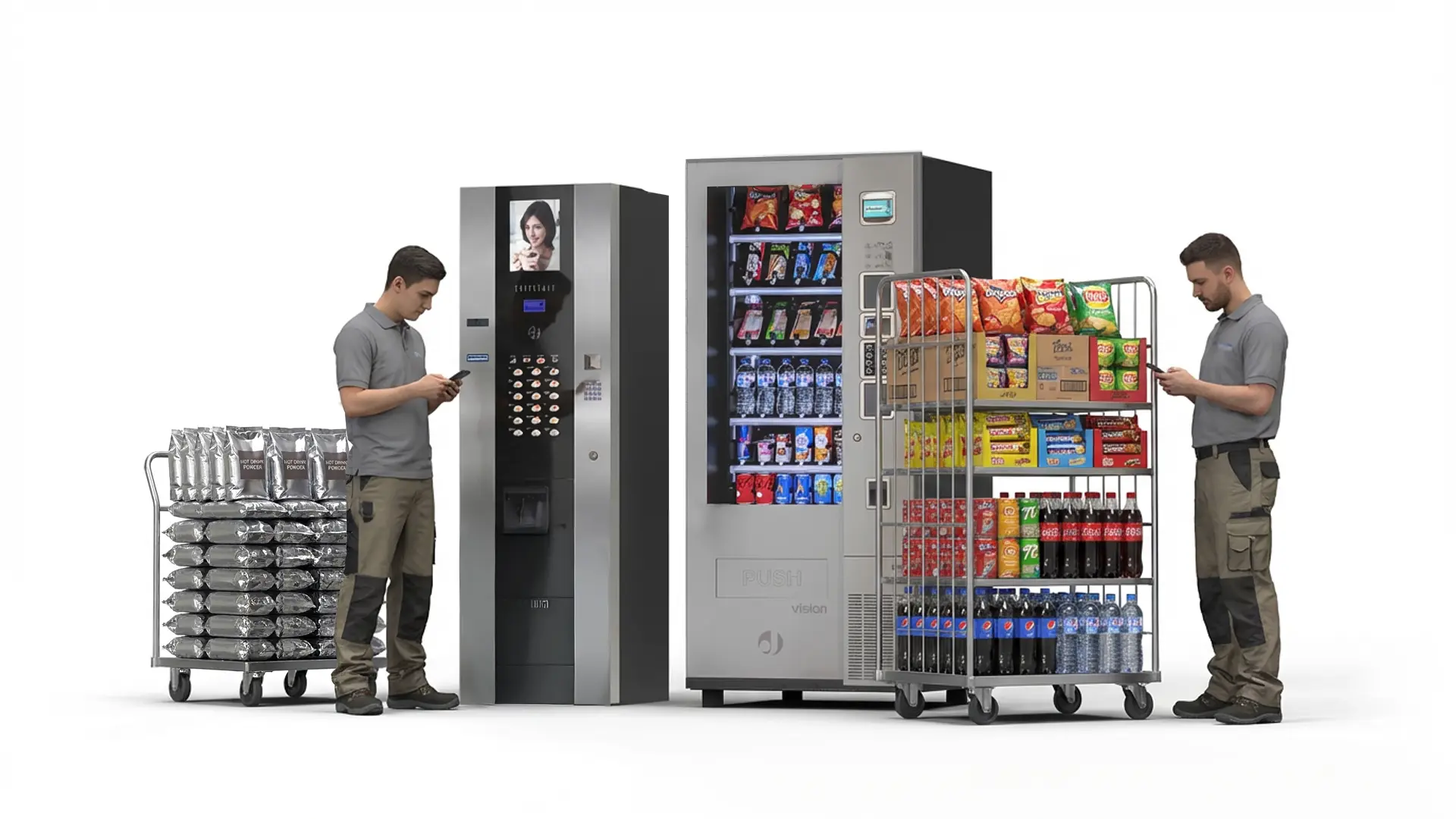
The role of the person who services the machine—referred to in the app's context as a 'Mandoob' or delegate—is completely reframed by this technology. Instead of being a simple delivery driver, they become a critical mobile data agent, capturing a wealth of operational information on-site during every single visit.
The typical servicing process, or "collection," performed through the app is a structured digital event. Using their phone, the restocker is required to capture a precise set of data points that create a complete audit trail of their work:
* A photo of the machine before servicing to document its initial state.
* The exact amount of physical cash collected from the cash box.
* The machine's internal, non-resettable meter readings for both cash sales and, for coffee machines, cup counts.
* Any minor on-site expenses, such as paying for parking, which can be logged with explanatory notes.
* Documentation for any free items given away, such as a complimentary drink for a site manager.
* The precise quantity of each specific item that was restocked into the machine.
This rigorous process turns a routine physical task into a rich, auditable digital record. Management gains near real-time visibility into field operations, inventory levels, and cash flow without having to be physically present.
3. Automated Watchdogs Keep the Numbers Honest
A major challenge in any cash-based business is ensuring accountability. The app addresses this head-on with powerful, automated auditing and verification features that create a "trust but verify" environment.
In any business with a distributed cash collection model, the gap between field collection and central accounting is a primary source of financial risk, from simple human error to deliberate shrinkage. Once a restocker submits their collection data from the field, the information is routed to an Accounting section within the app for verification. Here, the system's core auditing function kicks in: it automatically compares the amount of cash the restocker reported collecting against the sales data recorded by the machine's own internal counters.
The system provides immediate visual feedback on this comparison. A transaction where the cash and meter data do not match is flagged, for example, with a red 'X'. A transaction that matches perfectly is marked as correct with a green checkmark and is approved. This simple, automated cross-check is a crucial feature. It provides a powerful system for ensuring financial accountability, reducing potential shrinkage or errors, and eliminating the time-consuming need for managers to manually cross-reference paper logs and machine readouts for every single collection.
4. Maintenance is a Proactive, Data-Driven Workflow
The traditional model for vending machine maintenance is purely reactive: a customer calls a number on a sticker when something is broken. The Dukani VMS app transforms this into a formal, proactive, and tracked workflow.
Any user in the field, like a restocker, can initiate an Inspection or maintenance request directly from the app while at the machine's location. The app prompts them to record specific, detailed diagnostic information that helps the maintenance team understand the problem before they even arrive:
* The meaning of status lights on the payment device (e.g., red indicating an error, purple signaling it needs calibration).
* Any error codes displayed on the machine's main screen.
* Detailed notes from their own observations, such as "paper currency acceptor is not working."
When the user marks the machine's status as needs maintenance, an automated workflow is triggered. The system immediately sends an email notification and creates a formal service ticket for the maintenance department. Crucially, the app also tracks the time elapsed from when a ticket is created until it is marked as resolved, allowing management to measure the maintenance team's performance and response time.
5. Every Machine is a Source of Actionable Business Intelligence
Perhaps the most powerful feature is how the app transforms the torrent of operational data into actionable business intelligence. The idea that a vending machine is a "set it and forget it" business is completely debunked by the system's reporting capabilities.
The app collects all the financial, inventory, and operational data and consolidates it into clear, easy-to-understand PDF reports. The two key reports provide a comprehensive view of business health:
1. Machine Performance Report: This is a complete financial summary for a specific machine over a chosen time period. It details total revenue, breaks down all costs (materials, expenses, rent), and calculates the final profit distribution for every stakeholder according to the predefined percentages.
2. Sales Report: This report provides a granular look at product performance within a single machine. It details exactly which items sold and in what quantities, and even includes a graph that visually highlights the most and least popular products.
This level of business intelligence is transformative. It empowers the business owner to move beyond guesswork and make data-driven decisions. They can optimize the product mix for each unique location, identify and address underperforming machines, and strategically manage agreements to maximize profitability across their entire network.
Conclusion
The journey through Dukani VMS reveals that the modern vending business isn't about owning machines; it's about managing a distributed network of automated retail points. The core competencies have shifted from logistics and cash handling to data analysis, asset management, and financial verification—all orchestrated through a central software platform.
The technology quietly running in the background of a vending machine is a powerful reminder that digital transformation is happening everywhere, often in the places we least expect it. It leaves us with a compelling question: If this much technology is hiding inside a simple vending machine, what other everyday businesses are being quietly revolutionized by software.
Ahmed Al Zubaidi
https://www.slco.com.iq/dukani-vms
5 حقائق مدهشة يكشفها تطبيق آلات البيع حول تجارة التجزئة الحديثة
مقدمة
بالنسبة لمعظمنا، تُعرَّف آلة البيع على أنها عمل تجاري بسيط: صندوق معدني مليء بالوجبات الخفيفة يجمع النقود بشكل سلبي. تبدو وكأنها عملية منخفضة التقنية تعتمد على مبدأ "اضبطها وانسها". لكن هذا التصور يخفي واقعاً تشغيلياً معقداً. خلف الزجاج، تُعد العديد من هذه الآلات عُقداً في شبكة أعمال متطورة للغاية تعتمد على البيانات، وتُدار بواسطة برمجيات قوية تناسب شركات التكنولوجيا الحديثة.
هذه الثورة الهادئة تُحوّل طريقة عمل الأعمال التجارية التقليدية التي تعتمد على النقد. لفهم هذا التحول، سنستكشف خمسة من أكثر الميزات المدهشة والمؤثرة لتطبيق إداري يُسمى Dukani VMS. ما تكشفه هذه البرمجيات هو أن إدارة عمل تجاري ناجح لآلات البيع اليوم أصبحت أقل عن تخزين رقائق البطاطس وأكثر عن إدارة البيانات، والمالية، واللوجستيات بدقة لا تُصدق.
الأمر ليس مجرد تخزين وجبات خفيفة؛ بل هو إدارة اقتصادات جزئية (Micro-Economies) معقدة
المفاجأة الأولى هي التعقيد المالي الهائل الذي يمكن إدارته على مستوى الآلة الواحدة. إن إعداد آلة بيع جديدة في موقع ما لا يقتصر على إسقاطها في المكان؛ بل يتعلق بتحديد اتفاق مالي مفصل وفريد في كثير من الأحيان، مما يحوّل كل آلة إلى أصل مُدار بحد ذاته.
يتيح التطبيق إمكانية تهيئة عدة أنواع من اتفاقيات الإيجار لصاحب الموقع:
- إيجار شهري ثابت: رسوم ثابتة ومباشرة تُدفع للموقع كل شهر، وتُحدد على أنها "Monthly Rent" (الإيجار الشهري).
- نسبة مئوية من الإيرادات: يتلقى الموقع نسبة مئوية من إجمالي إيرادات المبيعات للآلة ("Rent from income" - إيجار من الدخل).
- نسبة مئوية من الأرباح: يتلقى الموقع نسبة مئوية من صافي ربح الآلة بعد خصم جميع التكاليف، بما في ذلك تكلفة البضائع المباعة ("Rent from profit" - إيجار من الربح).
الدرجة العالية من التفاصيل المالية لا تتوقف عند هذا الحد. تتيح البرمجيات أيضاً تحديد نسب مئوية محددة لتقاسم الأرباح لجميع الأطراف المعنية بالآلة. ويشمل ذلك مالك الآلة أو المستثمر، والمشغل المسؤول عن إعادة التخزين، و"Dukani"، الكيان التجاري المركزي الذي يدير الشبكة. هذا هو المعادل الرقمي لإنشاء فرع مؤسسي فريد لكل آلة، مع ميثاق خاص به لتوزيع الإيرادات، واتفاقيات الشركاء، وأهداف الربحية.
مُعيد التخزين هو وكيل بيانات متنقل (Mobile Data Agent)
يتم إعادة صياغة دور الشخص الذي يخدم الآلة - ويُشار إليه في سياق التطبيق بـ "المندوب" - بشكل كامل بواسطة هذه التقنية. فبدلاً من أن يكون مجرد سائق توصيل، يصبح وكيل بيانات متنقلاً بالغ الأهمية، حيث يلتقط ثروة من المعلومات التشغيلية في الموقع أثناء كل زيارة.
إن عملية الخدمة النموذجية، أو "التحصيل"، التي تتم من خلال التطبيق هي حدث رقمي مُنظَّم. يُطلب من مُعيد التخزين، باستخدام هاتفه، التقاط مجموعة دقيقة من نقاط البيانات التي تُنشئ مسار تدقيق كاملاً لعمله:
صورة للآلة قبل الخدمة لتوثيق حالتها الأولية.
المبلغ الدقيق للنقد الفعلي الذي تم جمعه من صندوق النقد.
قراءات العدادات الداخلية غير القابلة لإعادة الضبط للآلة، لكل من المبيعات النقدية، ولآلات القهوة، عدد الأكواب.
أي نفقات بسيطة في الموقع، مثل دفع رسوم وقوف السيارات، والتي يمكن تسجيلها مع ملاحظات توضيحية.
توثيق لأي مواد مجانية تم تقديمها، مثل مشروب مجاني لمدير الموقع.
الكمية الدقيقة لكل صنف معين تم إعادة تخزينه في الآلة.
هذه العملية الصارمة تُحوّل مهمة مادية روتينية إلى سجل رقمي غني وقابل للتدقيق. وتكتسب الإدارة رؤية شبه فورية للعمليات الميدانية، ومستويات المخزون، والتدفق النقدي دون الحاجة إلى التواجد فعلياً.
حراس المراقبة الآليون يحافظون على صدق الأرقام
التحدي الرئيسي في أي عمل تجاري يعتمد على النقد هو ضمان المساءلة. يعالج التطبيق هذا الأمر بشكل مباشر من خلال ميزات تدقيق وتحقق آلية قوية تخلق بيئة "ثق ولكن تحقق".
في أي عمل تجاري يعتمد على نموذج جمع نقدي موزع، تُعد الفجوة بين التحصيل الميداني والمحاسبة المركزية مصدراً أساسياً للمخاطر المالية، بدءاً من الأخطاء البشرية البسيطة وصولاً إلى الانكماش المتعمد (الاختلاس). بمجرد أن يُقدِّم مُعيد التخزين بيانات التحصيل الخاصة به من الميدان، يتم توجيه المعلومات إلى قسم المحاسبة داخل التطبيق للتحقق. هنا، تبدأ وظيفة التدقيق الأساسية للنظام: حيث يقارن تلقائياً مبلغ النقد الذي أبلغ المندوب عن جمعه ببيانات المبيعات التي سجلتها عدادات الآلة الداخلية الخاصة.
يوفر النظام تغذية راجعة مرئية فورية لهذه المقارنة. يتم وضع علامة على المعاملة التي لا تتطابق فيها بيانات النقد والعدادات، على سبيل المثال، بعلامة "X" حمراء. ويتم وضع علامة صحيحة على المعاملة التي تتطابق تماماً بعلامة اختيار خضراء ويتم اعتمادها. هذا التدقيق المتبادل البسيط والآلي هو ميزة حاسمة. فهو يوفر نظاماً قوياً لضمان المساءلة المالية، والحد من الانكماش أو الأخطاء المحتملة، وإلغاء الحاجة المستهلكة للوقت للمديرين لمطابقة السجلات الورقية وقراءات الآلة يدوياً لكل عملية تحصيل.
الصيانة هي سير عمل استباقي يعتمد على البيانات
النموذج التقليدي لصيانة آلات البيع هو نموذج تفاعلي بحت: يتصل العميل برقم على ملصق عندما يكون هناك شيء معطل. يحوّل تطبيق Dukani VMS هذا إلى سير عمل رسمي، استباقي، ومُتعقّب.
يمكن لأي مستخدم في الميدان، مثل مُعيد التخزين، أن يبدأ طلب فحص أو صيانة مباشرة من التطبيق أثناء وجوده في موقع الآلة. يطالبه التطبيق بتسجيل معلومات تشخيصية محددة ومفصلة تساعد فريق الصيانة على فهم المشكلة قبل وصولهم:
- معنى أضواء الحالة على جهاز الدفع (مثل، اللون الأحمر يشير إلى خطأ، والبنفسجي يشير إلى أنه يحتاج إلى معايرة).
- أي رموز خطأ معروضة على الشاشة الرئيسية للآلة.
- ملاحظات مفصلة من ملاحظاته الخاصة، مثل "مستقبل العملة الورقية لا يعمل".
عندما يحدد المستخدم حالة الآلة على أنها تحتاج إلى صيانة، يتم تفعيل سير عمل آلي. يرسل النظام على الفور إشعاراً عبر البريد الإلكتروني ويُنشئ تذكرة خدمة رسمية لقسم الصيانة. والأهم من ذلك، يتتبع التطبيق أيضاً الوقت المنقضي منذ إنشاء التذكرة حتى وضع علامة "تم حلها"، مما يسمح للإدارة بقياس أداء فريق الصيانة ووقت استجابته.
كل آلة هي مصدر لذكاء الأعمال القابل للتنفيذ (Actionable Business Intelligence)
ربما تكون الميزة الأقوى هي كيفية تحويل التطبيق لتيار البيانات التشغيلية إلى ذكاء أعمال قابل للتنفيذ. إن فكرة أن عمل آلة البيع هو عمل "اضبطه وانساه" يتم دحضها تماماً من خلال إمكانيات إعداد التقارير في النظام.
يجمع التطبيق جميع البيانات المالية، والمخزونية، والتشغيلية ويوحدها في تقارير PDF واضحة وسهلة الفهم. يوفر التقريران الرئيسيان رؤية شاملة لصحة العمل:
- تقرير أداء الآلة (Machine Performance Report): هذا هو ملخص مالي كامل لآلة محددة خلال فترة زمنية مختارة. يوضح إجمالي الإيرادات، ويُفصّل جميع التكاليف (المواد، النفقات، الإيجار)، ويحسب التوزيع النهائي للأرباح لكل طرف معني وفقاً للنسب المئوية المحددة مسبقاً.
- تقرير المبيعات (Sales Report): يوفر هذا التقرير نظرة تفصيلية على أداء المنتج داخل آلة واحدة. يوضح بالضبط الأصناف التي بيعت وبأي كميات، بل ويتضمن رسماً بيانياً يبرز بصرياً المنتجات الأكثر والأقل شعبية.
هذا المستوى من ذكاء الأعمال يُحدث تحولاً. فهو يمكّن مالك العمل من تجاوز التخمين واتخاذ قرارات تعتمد على البيانات. يمكنهم تحسين مزيج المنتجات لكل موقع فريد، وتحديد ومعالجة الآلات ذات الأداء الضعيف، وإدارة الاتفاقيات بشكل استراتيجي لتعظيم الربحية عبر شبكتهم بأكملها.
الخلاصة
تكشف الرحلة عبر Dukani VMS أن عمل آلات البيع الحديث لا يتعلق بامتلاك الآلات؛ بل يتعلق بإدارة شبكة موزعة من نقاط البيع بالتجزئة الآلية. وقد تحولت الكفاءات الأساسية من اللوجستيات ومعالجة النقد إلى تحليل البيانات، وإدارة الأصول، والتحقق المالي—وكل ذلك يتم تنسيقه من خلال منصة برمجية مركزية.
إن التقنية التي تعمل بهدوء في خلفية آلة البيع هي تذكير قوي بأن التحول الرقمي يحدث في كل مكان، وغالباً في الأماكن التي لا نتوقعها. ويتركنا بسؤال مقنع: إذا كانت كل هذه التكنولوجيا مختبئة داخل آلة بيع بسيطة، فما هي الأعمال اليومية الأخرى التي يتم إحداث ثورة هادئة فيها بواسطة البرمجيات؟